Mechanical Bull Setup & Safety Guide
A successful mechanical bull setup starts before the equipment arrives. You need enough operating space, suitable access, the correct power for the exact machine and a clear understanding of how the bull, controller, inflatable safety arena and blower work together.
Because mechanical bulls can differ by model and configuration, use this guide for planning and comparison, then confirm the final requirements from the documentation supplied for the specific machine you intend to operate.
Adequate floor perimeter and vertical ceiling clearance around the full boundary of the inflatable cushion.
Dedicated, stable power circuit verified against the manufacturer documentation for your specific machine model.
Clear transit pathways through doorways, loading ramps, and gates suitable for transporting heavy base equipment.
Proper placement of the air cushion, continuous blower, and operator console with an unobstructed view of riders.
What Do You Need to Set Up a Mechanical Bull?
A complete mechanical bull setup may include the bull and motion base, operator controller, inflatable safety arena, blower, cables and other model-specific accessories. You also need enough space for the complete operating area, suitable site access and the power required by the exact equipment.
Installation Notice
Never assume that every mechanical bull uses the same setup. Check the individual product and manufacturer information before installation.
Plan the Mechanical Bull Location Before Delivery
The location affects almost every other setup decision. Before buying, consider where the equipment will operate, how it will reach that area and whether the complete system fits once assembled.
Operating Area
Measure the full area available for the bull, inflatable and required surrounding access.
Entry & Access
Check doors, gates, corridors, loading areas and other access points that the packed equipment must pass through.
Surface
Review the surface requirements provided for the exact machine and inflatable. Do not assume every system can operate on every surface.
Overhead Clearance
Where overhead clearance matters, confirm the requirements for the exact equipment and location.
How Much Space Does a Mechanical Bull Need?
Mechanical bull space requirements vary according to the machine and the inflatable safety arena supplied with it. The bull base alone does not represent the full operating footprint.
When comparing machines, look for the documented dimensions of the complete setup. Include the inflatable, access around the equipment and any additional space required by the product instructions.
Permanent Venue Planning
For a permanent venue, measure the intended operating location. Factor in structural columns, lighting rigs, fire exit pathways, and HVAC ducts that may impinge on the machine perimeter or upper clear zone.
Mobile Equipment Logistics
For mobile equipment, also consider the packed dimensions and the space required during setup and teardown. Ensure entry corridors, double doors, service ramps, and transit paths accommodate the packed machine frame and rolled inflatable canvas.
Documented Setup Evaluation
Every commercial model features distinct engineering specifications. When evaluating manufacturers and product listings, verify that your site plan accounts for each operational perimeter element:
Inflatable Arena Footprint
The inflatable safety cushion defines the true working boundary of the unit, extending well past the steel motion chassis.
Perimeter Access & Queuing
Operational buffers around the arena boundary are required for safe spectator flow, queue control, and operator visibility.
Operator Console Clearance
The control podium must sit outside the fall zone with an unobstructed direct line of sight to the rider and arena exit.
Air Blower Duct Path
Inflation tubes require dedicated unobstructed floor runs from the blower fan to the arena intake sleeves.
Always consult the specific technical documentation and manufacturer spec sheets for the exact dimensions, weight distribution, and perimeter clearances of your chosen bull and arena model.
Need Help Assessing Your Floor Plan?
Send your room dimensions or layout sketches for equipment fitment verification.
Check Mechanical Bull Power Requirements Before Buying
Electrical requirements vary between mechanical bull systems. The bull, controller and inflatable blower may also have separate requirements, so buyers should check the documentation for the exact equipment.
Before purchasing, confirm the required supply and make sure the intended location can support it. If electrical work is required, use an appropriately qualified professional and provide them with the actual equipment information rather than a generic specification from another machine.
Bull & Motion System
Check the published requirement for the exact model.
Controller
Confirm how the supplied control system is powered and connected.
Inflatable Blower
Check the requirements for the blower supplied or recommended for the inflatable.
Do not copy electrical requirements from another product simply because the machines look similar.
Equipment specifications differ by manufacturer, motor configuration, and controller build.
Setting Up the Inflatable Safety Arena
The inflatable safety arena is an important part of many mechanical bull setups. It should be treated as its own equipment component rather than simply as decoration around the bull.
Before setup, identify the correct inflatable for the machine, check its visible condition and confirm which blower it requires. Follow the instructions supplied for positioning, inflation and integration with the bull base.
Buyer Checklist
Pre-Operation Protocol- Correct inflatable for the system
- Visible condition
- Blower compatibility
- Inflation points
- Deflation points
- Bull-base opening or interface
- Cables or hoses positioned appropriately
- Space around the assembled arena
A dedicated Inflatable Mechanical Bulls page covers complete bull-and-inflatable systems in more detail.
Position the Operator Controller Carefully
The operator needs a clear view of the rider and the complete operating area. Therefore, controller placement should support visibility and access to the machine's controls without creating unnecessary obstacles around the setup.
Use the instructions for the exact controller and machine when deciding where it should sit. In addition, route cables so they do not create avoidable trip hazards or interfere with the operating area.
Notice on Distance Guidelines
Refer directly to your equipment model's manual for layout boundaries and electrical enclosure anchoring requirements. Never guess placement tolerances.
Field Procedure // Pre-Session
Check the Equipment Before Each Operating Session
A simple pre-use review can help identify visible problems before operation. The exact inspection and maintenance procedure should always follow the documentation for the machine you own.
Bull & Base
Look for obvious damage, loose components or anything that appears different from the previous setup.
Controller
Check the visible condition of the controller, cables and connections.
Inflatable
Look for obvious damage, deflation or areas that need attention.
Blower
Confirm that the blower is operating as required for the inflatable.
Cables & Connections
Check for obvious damage and secure connections where applicable.
Emergency Controls
Understand and check the machine's emergency controls according to its instructions before operation.
Safety Precaution // Operator Directive
If something appears damaged or operates differently from expected, stop and investigate rather than continuing to use the equipment.
Operator Preparation Matters
The person controlling the mechanical bull should understand the controls and the operating instructions for that specific machine before riders use it.
Different systems may offer different control arrangements, operating modes and emergency functions. Therefore, operators should not assume that experience with one mechanical bull automatically translates to another model.
Know the Controls
Understand how the supplied controller operates.
Know the Stop Procedure
Identify the normal and emergency stopping controls.
Watch the Operating Area
Maintain a clear view of the rider and surrounding area.
Follow Product Instructions
Use the documentation supplied for the exact machine.
NOTICE: Technical guidelines are provided for equipment operation awareness. Always consult the specific manufacturer technical manual supplied with your unit.
Follow the Rider Rules for the Exact Mechanical Bull
Rider limitations and operating rules can differ between machines. Therefore, use the requirements stated in the documentation for the exact equipment rather than applying one universal age, height or weight limit.
The operator should also understand any product-specific instructions about clothing, footwear, mounting, dismounting and use of the inflatable safety area.
If a requirement is unclear, confirm it before operating the machine.
Extra Setup Checks for a Used Mechanical Bull
A used mechanical bull may arrive with equipment from different stages of its working life. For that reason, confirm exactly which controller, inflatable, blower, cables and accessories come with the individual machine.
Also review any available condition information, known repairs and replacement components before setup. If documentation is missing, do not assume that another machine's instructions apply.
Permanent Venue vs Mobile Mechanical Bull Setup
Compare operating footprint, transit logistics, and power access before ordering commercial equipment.
Permanent Venue
A fixed installation allows the buyer to plan around one operating area. Focus on available floor space, site access, power, controller position, storage and access for future maintenance.
Fixed Footprint Specifications
- Operating floor space
Allocates a dedicated footprint with clear overhead safety zones and perimeter spectator clearance.
- Site access & delivery
Accounts for door widths, freight elevators, and unloading routes during initial install.
- Dedicated power supply
Fixed conduit line and direct disconnect switch to meet local commercial electrical code.
- Controller console station
Permanent operator booth positioning with unimpeded 360-degree line of sight.
- Routine maintenance access
Open perimeter around the mechanical chassis for regular gearbox and motor servicing.
Mobile Operation
Equipment that moves regularly adds transport and repeated setup considerations. Compare packed dimensions, loading access, inflatable handling, storage and how the complete system moves between locations.
Transit & Deployment Factors
- Packed transit dimensions
Engineered to pack into standard box trailers, toy haulers, or commercial vans.
- Ramp & loading access
Rolling dolly frames and low center-of-gravity design for curbs, thresholds, and grass.
- Heavy-duty inflatable handling
Reinforced vinyl mattress with rapid-deflation zippers for quick teardown and roll-up.
- Secure mobile storage
Weatherproof transit covers and locking compartments for console and cables.
- Rapid turnaround logistics
Standard 2-person assembly setup under 45 minutes with portable generator compatibility.
Mechanical Bull Shop sells mechanical bulls and equipment. References to mobile event operators describe customers who may purchase equipment; they do not indicate a rental service offered by Mechanical Bull Shop.
Store Mechanical Bull Equipment Properly
Storage conditions can affect mechanical components, controllers, cables and inflatables. Follow the storage guidance supplied for the exact equipment, especially when a machine will remain unused for an extended period.
Before packing an inflatable, make sure you follow its product-specific deflation and storage instructions. Likewise, protect controllers, cables and other components from conditions the manufacturer advises against.
Follow product-specific deflation and folding sequences before storing.
Shield electrical contacts and enclosures from adverse ambient exposures.
Inspect mounts and mechanical linkages prior to prolonged staging.
Consult OEM documentation supplied with your serial number for individual machine requirements.
Follow the Maintenance Schedule for Your Machine
Mechanical bulls contain moving, electrical and supporting components that may require maintenance. However, maintenance schedules and procedures can differ between models.
Model-Specific Documentation
Equipment Assemblies
Mechanical bulls contain moving, electrical and supporting components that may require maintenance. However, maintenance schedules and procedures can differ between models.
Manual & Product Documentation
Use the manual or product documentation for the exact machine to determine what requires inspection, adjustment, lubrication or replacement and when those tasks should occur.
Component Replacement Rule
If a component needs replacement, confirm compatibility before installing another part.
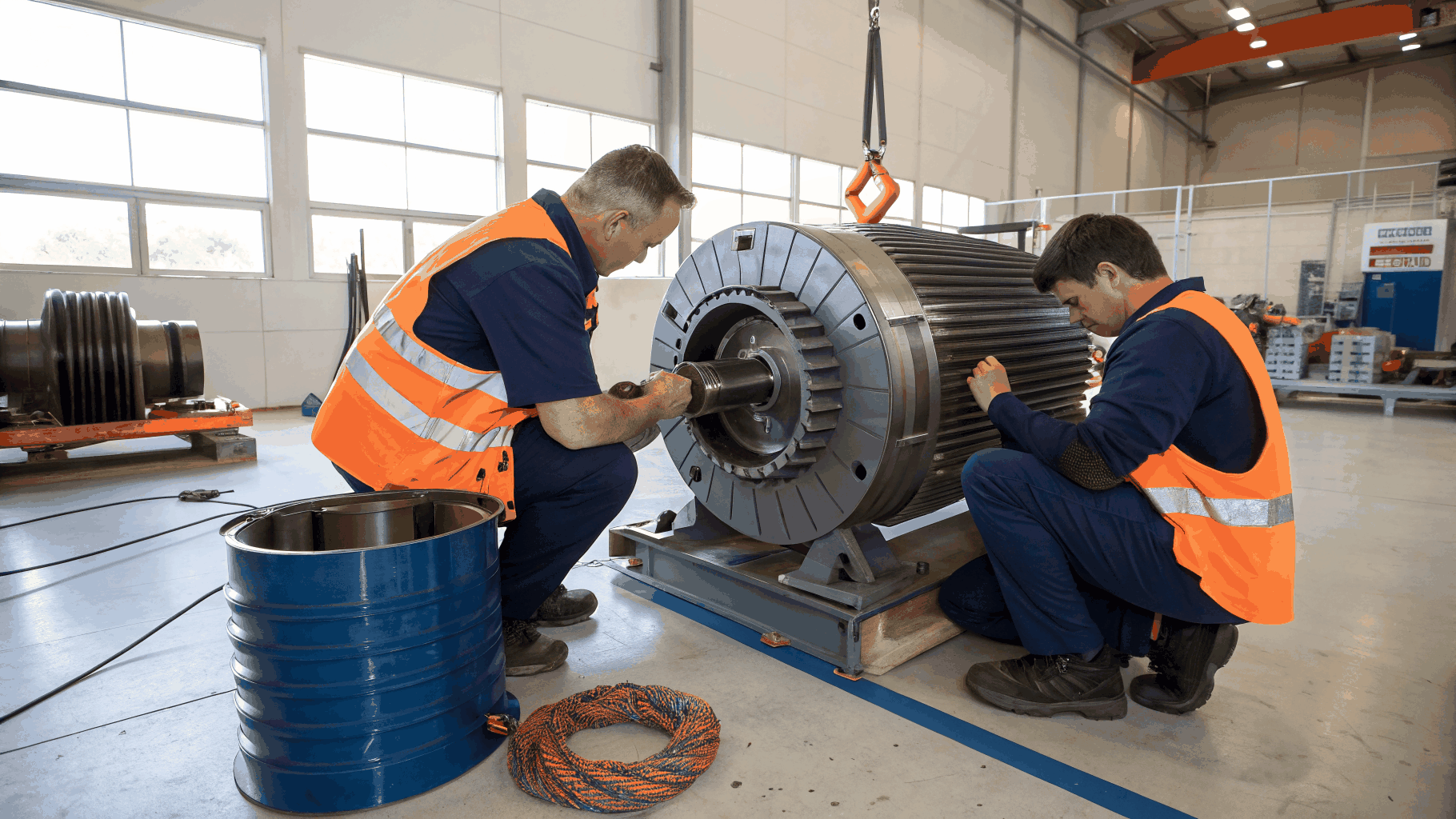
Parts & Component Verification
If a component needs replacement, confirm compatibility before installing another part.
Use the manual or product documentation for the exact machine to determine what requires inspection, adjustment, lubrication or replacement and when those tasks should occur.
Plan for Delivery Before the Mechanical Bull Arrives
Large equipment can require more delivery planning than a typical parcel. Before shipment, confirm the packed equipment, destination access and any unloading requirements associated with the exact order.
The bull, inflatable and accessories may also be packed separately depending on the equipment and delivery arrangement. Therefore, review the shipment information for the individual order rather than assuming every mechanical bull arrives the same way.
COMMERCIAL EQUIPMENT NOTICE // ENSURE SUFFICIENT GATE AND DOOR CLEARANCE AT RECEIVING SITE.
PRE-FLIGHT & INSTALLATION PROTOCOL
Mechanical Bull Setup Checklist
1. Confirm the exact machine and included equipment.
2. Review the documentation supplied for the model.
3. Measure the complete operating area.
4. Confirm access for bringing the equipment into the location.
5. Verify the product-specific power requirements.
6. Confirm the controller and cables supplied.
7. Check the inflatable and blower requirements.
8. Position the equipment according to its instructions.
9. Review visible condition before operation.
10. Understand normal and emergency controls.
11. Confirm the applicable rider and operating rules.
12. Keep product documentation available for future setup and maintenance.
Use this checklist as a planning tool, not as a replacement for the instructions supplied with the exact mechanical bull.
Mechanical Bull Setup & Safety FAQ
Space requirements vary by machine and inflatable safety arena. Check the complete operating dimensions for the exact equipment rather than using one universal footprint.
Plan Your Mechanical Bull Setup Before You Buy
The best time to confirm space, power, access and package requirements is before the equipment arrives. Compare the exact machine, review its setup information and make sure the complete system fits the location where you intend to use it. If you are considering a specific bull, use its product name or SKU when contacting us so the available product information can be reviewed in context.
Ensure you review all necessary modular components and safety backups in our Parts catalog, and cross-reference tier budgets against the published Price Guide to align power draw, freight sizing, and staging logistics accurately.